Google Ads continues to evolve rapidly. From AI-driven creative tools to new policy requirements, advertisers face a landscape that’s more automated, more transparent, and more complex than ever. To help you stay ahead, here’s a breakdown of the latest Google Ads updates in 2025 — and what they mean for your campaigns.
1. New Campaign Setup Flow
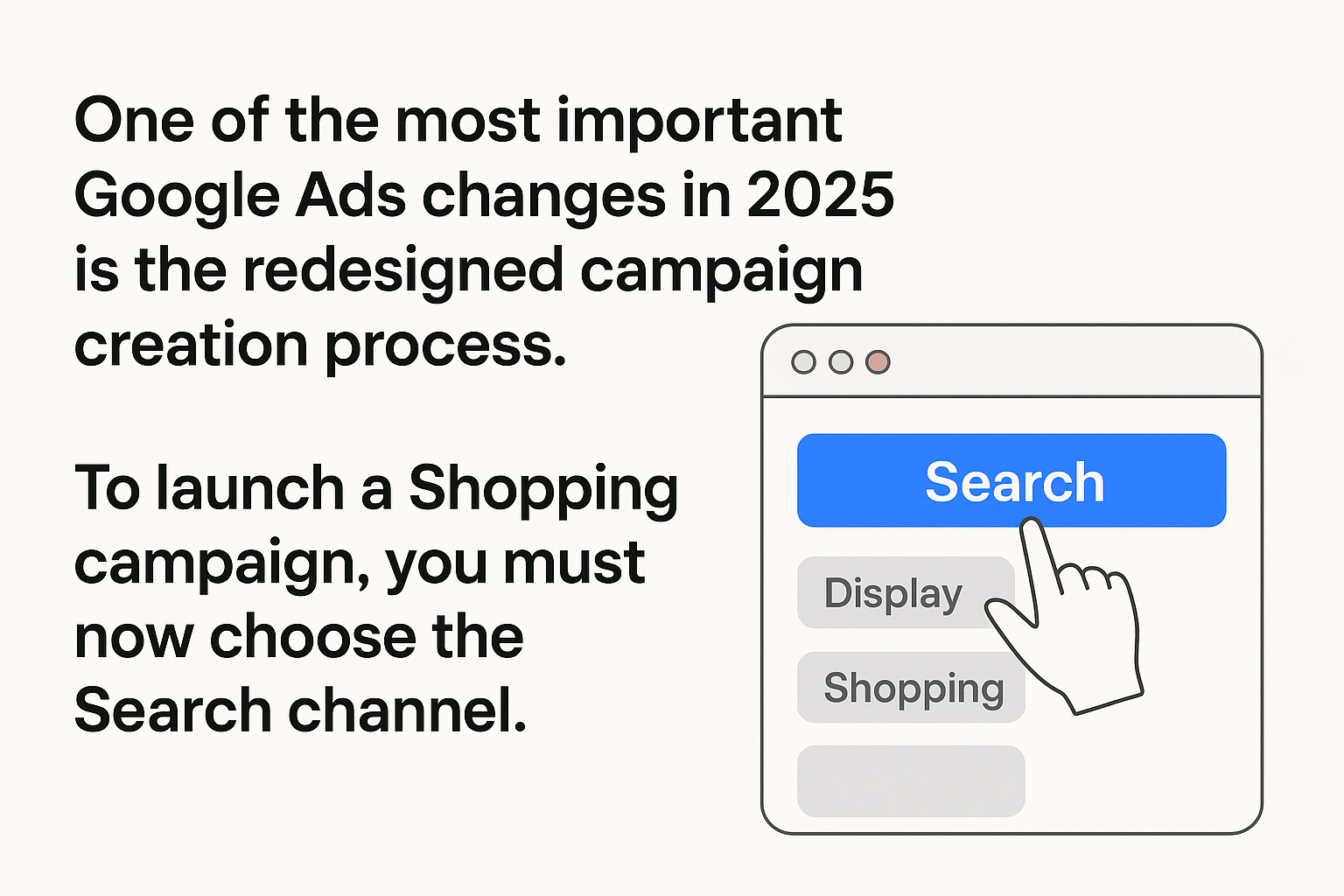
One of the most important Google Ads changes in 2025 is the redesigned campaign creation process. Instead of choosing an ad type first (Search, Display, Shopping, etc.), advertisers now start by selecting a channel.
To launch a Shopping campaign, you must now choose the Search channel.
This shift reflects Google’s focus on multi-channel campaigns like Performance Max.
2. AI Everywhere: Ads in AI Overviews & Creative Automation
Google is embedding AI deeper into ads — not just for targeting and bidding, but also for placement and creative generation.
Ads in AI Overviews are being tested inside AI-driven search results.
Asset Studio generates ad creatives (images, refreshed visuals, copy) at scale.
AI Max for Search campaigns now provide automated text guidelines, ad copy suggestions, and one-click experiments.
3. Smarter Conversion Tracking & Measurement
Google has rolled out several updates to help advertisers measure performance more accurately:
Enhanced Conversions for Leads now offers improved diagnostics and error handling.
Google Tag Manager allows advertisers to pass custom event parameters (like product category) into Google Ads directly.
Offline Conversion Import flexibility makes it easier to align bidding with real business outcomes.
4. Policy Updates: Transparency & Pricing
Google has tightened its policies to protect users and build trust:
The Ads Transparency Policy requires clearer disclosure about who is funding ads.
The updated Dishonest Pricing Policy (effective October 28, 2025) requires advertisers to disclose full costs and payment models upfront.
5. Budget Controls & Reporting Improvements
Some smaller but useful updates include:
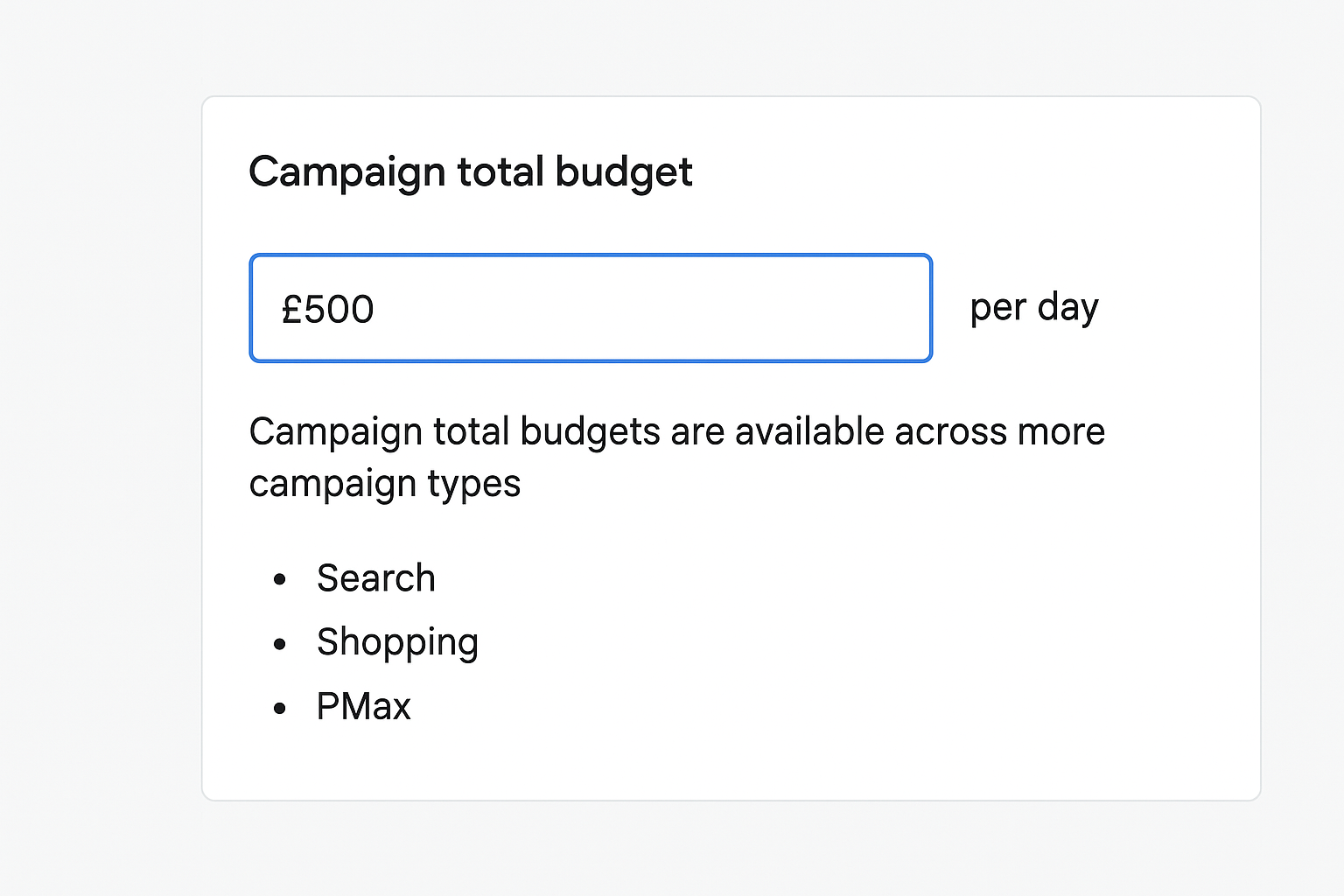
Campaign Total Budgets are now available across more campaign types (Search, Shopping, PMax).
Performance Max channel-level reporting is rolling out more broadly.
Google Ads Scripts documentation has been overhauled to make automation easier for advertisers.
Key Takeaways for Advertisers
Update workflows for the new campaign setup structure.
Test AI tools like Asset Studio and AI Max for Search.
Strengthen measurement with enhanced conversions and richer data signals.
Review compliance with new transparency and pricing rules.
Stay agile — test new features early and train your team regularly.
Final Thoughts
The pace of change in Google Ads in 2025 is faster than ever. Success now requires a mix of automation, compliance, and creativity. At AdTik, we track these updates closely to help marketers adapt quickly and build resilient Google Ads strategies that perform in an AI-driven world.
✅ By optimizing now, you’ll protect your campaigns from policy issues and be among the first to benefit from Google’s newest ad innovations.